How Often Should Children Have Eye Exams?
Blog:How Often Should Children Have Eye Exams?
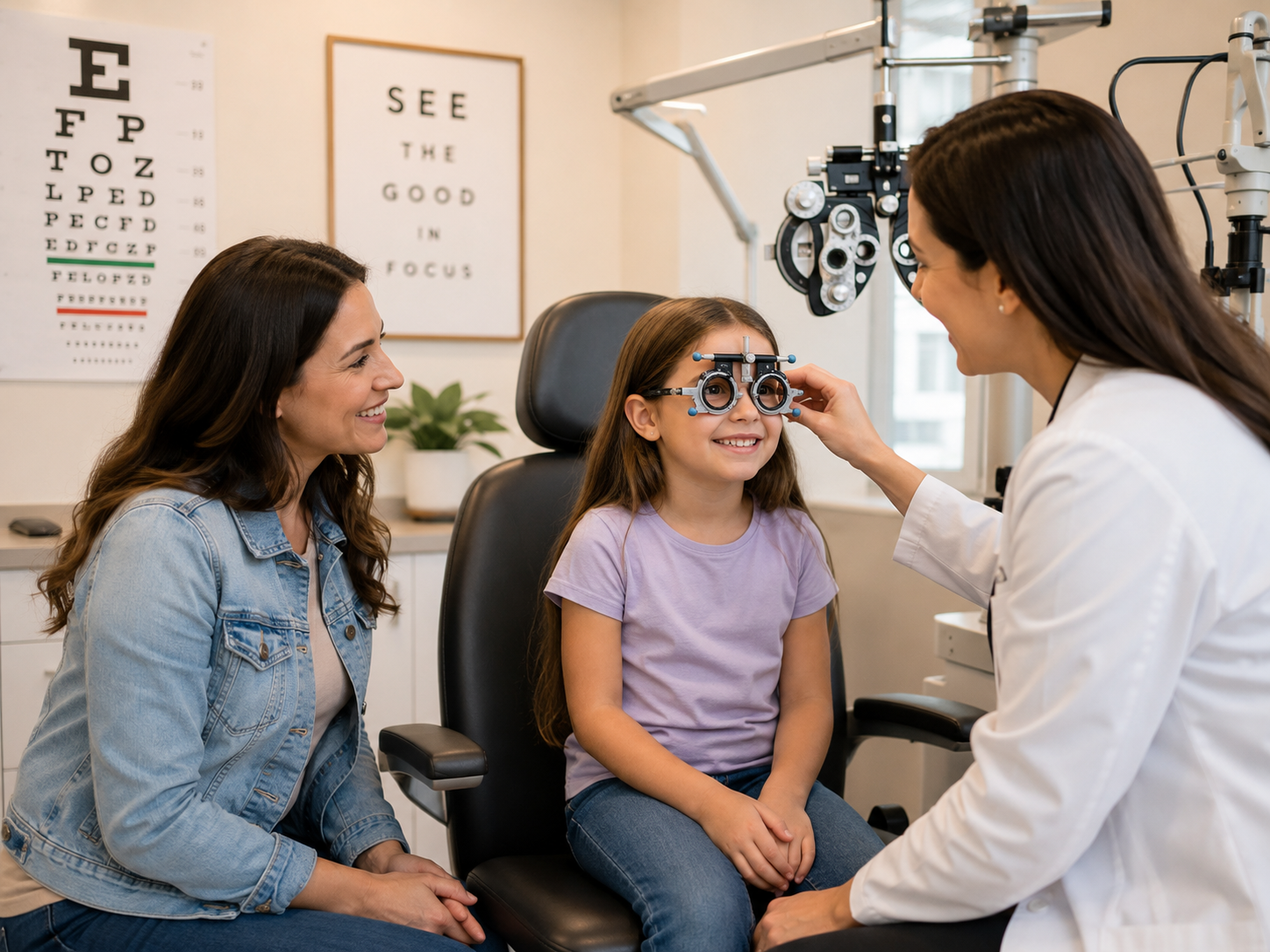
Good vision plays an important role in a child's development, learning, and everyday activities. Because children often do not realize their vision is blurry or abnormal, eye problems can go unnoticed for months—or even years.
So, how often should children have eye exams?
In general, children should have:
A newborn eye screening shortly after birth
A comprehensive eye exam between 6 and 12 months of age
Another comprehensive exam for children between 3 and 5 years old
Eye exams before starting school, if recommended by their eye doctor
Routine eye exams every year during the school-age years, or more often if recommended by their optometrist
The exact schedule depends on your child's vision, medical history, family history, and risk factors.
Key Takeaways
Vision screenings at school are helpful but do not replace a comprehensive eye exam.
Many childhood vision problems have no obvious symptoms.
Early detection can improve treatment outcomes for conditions such as amblyopia (lazy eye) and significant refractive errors.
Children who wear glasses or contact lenses or have eye conditions often need more frequent follow-up visits.
Regular eye exams help support healthy visual development and academic success.
Why Routine Eye Exams Matter
Vision is closely connected to how children learn about the world. Reading, writing, sports, and classroom activities all rely on healthy eyesight and proper eye coordination.
Some eye conditions develop gradually and may not cause noticeable symptoms. Children often assume everyone sees the way they do, making routine examinations especially important.
Comprehensive eye exams can detect:
Nearsightedness (myopia)
Farsightedness (hyperopia)
Astigmatism
Amblyopia (lazy eye)
Strabismus (eye misalignment)
Eye focusing problems
Eye teaming disorders
Certain eye diseases and developmental abnormalities
Finding these conditions early may allow treatment before they begin affecting vision development or school performance.
Recommended Eye Exam Schedule by Age
Birth to 12 Months
Newborns receive a basic eye screening shortly after birth to look for serious eye conditions.
The American Optometric Association recommends that infants receive their first comprehensive eye examination between 6 and 12 months of age.
During this visit, the optometrist evaluates:
Eye health
Visual development
Eye alignment
Eye movements
Focusing ability
Early refractive errors
Even babies who seem to see well can benefit from an examination because some conditions are difficult for parents to recognize.
Ages 3 to 5
Preschool is an important time for another comprehensive eye examination.
This visit helps detect problems before children begin reading and other visually demanding classroom activities.
An eye doctor evaluates:
Visual acuity
Eye coordination
Depth perception
Eye alignment
Color vision when appropriate
Overall eye health
Detecting amblyopia before approximately age seven often provides the best opportunity for successful treatment, although treatment may still help older children depending on the individual situation.
School-Age Children
Once children enter school, annual eye examinations are often recommended, especially if they:
Wear glasses
Wear contact lenses
Have myopia
Have learning-related visual complaints
Have a family history of significant eye disease
Have diabetes or other medical conditions affecting the eyes
Your child's optometrist may recommend a different schedule depending on their individual needs.
Vision Screening vs. Comprehensive Eye Exam
Many parents assume a school vision screening is the same as an eye exam. They are not.
A vision screening is a quick check designed to identify children who may need additional evaluation. It often measures distance vision but does not evaluate the full visual system.
A comprehensive eye examination assesses much more, including:
Overall eye health
Eye alignment
Eye movement
Focusing ability
Prescription needs
Depth perception
Peripheral vision when appropriate
The inside of the eye
A child can pass a vision screening and still have an eye condition that deserves professional evaluation.
Signs Your Child May Need an Eye Exam Sooner
Even if your child's next routine exam is months away, schedule a prompt eye examination if you notice:
Frequent squinting
Sitting very close to screens or books
Complaints of blurry vision
Frequent headaches
Covering one eye
Tilting the head while reading
One eye turning inward or outward
Poor hand-eye coordination
Excessive eye rubbing
Difficulty concentrating during reading
Declining school performance related to visual tasks
These symptoms can have several possible causes, and an examination is needed to determine the reason.
Children at Higher Risk May Need More Frequent Eye Exams
Some children benefit from closer monitoring, including those who:
Were born prematurely
Have developmental delays
Have a family history of childhood eye disease
Have diabetes
Have Down syndrome
Have neurological conditions
Previously experienced eye injuries
Already wear glasses or contact lenses
Your child's optometrist can recommend the most appropriate follow-up schedule.
What Happens During a Children's Eye Exam?
Parents are often surprised that comprehensive eye exams can be completed even for infants and young children.
Depending on your child's age, the examination may include:
Age-appropriate vision testing
Eye alignment evaluation
Eye movement testing
Focusing assessment
Prescription measurement
Examination of the front and back of the eyes
Discussion of visual development and eye health
The examination is designed to be comfortable and adapted to your child's developmental stage.
Radiant Optometry's Clinical Perspective
At Radiant Optometry in Bellflower, we commonly evaluate children during important stages of visual development. One pattern we often see during pediatric eye examinations is that children may not recognize they have blurry vision because it has become their normal.
Routine comprehensive eye exams allow us to monitor healthy visual development, identify potential concerns early, and discuss appropriate next steps with parents based on each child's individual needs.
When Should Parents Seek Immediate Care?
Most childhood vision concerns can be evaluated during a scheduled eye examination. However, seek immediate medical attention if your child experiences:
Sudden vision loss
A curtain or shadow over part of their vision
Many new flashes with numerous new floaters
Severe eye pain
Chemical exposure to the eye
Significant eye trauma
A painful red eye with nausea or vomiting
Sudden double vision accompanied by weakness, facial drooping, confusion, or difficulty speaking
These symptoms may indicate a potentially vision-threatening or medical emergency and should not be delayed for a routine appointment.
Helping Your Child Protect Their Vision
Parents can support lifelong eye health by:
Keeping routine eye appointments
Encouraging outdoor play
Limiting prolonged uninterrupted screen time
Promoting healthy reading habits with regular breaks
Providing protective eyewear during appropriate sports
Following recommendations for glasses or contact lenses when prescribed
Healthy visual habits, combined with regular comprehensive eye exams, can help children see clearly as they grow and learn.
Conclusion
Children's eyes change rapidly throughout childhood, making routine eye examinations an important part of preventive healthcare. While newborn screenings and school vision screenings provide valuable information, they do not replace comprehensive eye exams performed by an optometrist.
If your child is due for an eye exam or you've noticed changes in their vision, scheduling a comprehensive children's eye examination can help identify potential concerns early and support healthy visual development. At Radiant Optometry in Bellflower, Dr. Loi Mai and the team provide age-appropriate eye care for infants, children, and teenagers in a welcoming environment.
Frequently Asked Questions
How often should children have eye exams?
Most children should have a comprehensive eye exam between 6 and 12 months of age, again between ages 3 and 5, and then routine eye exams every year during their school-age years unless their optometrist recommends a different schedule.
Are school vision screenings enough?
No. Vision screenings are designed to identify some vision problems but cannot detect every eye condition. A comprehensive eye exam evaluates both vision and overall eye health.
At what age should a child have their first eye exam?
The American Optometric Association recommends a comprehensive eye examination between 6 and 12 months of age.
My child says they see fine. Do they still need an eye exam?
Yes. Many children with vision problems do not realize their vision is abnormal because they have nothing to compare it with.
Can too much screen time damage my child's eyes?
Extended screen use may contribute to digital eye strain and can worsen symptoms such as tired eyes or headaches. Encouraging regular breaks and outdoor activities can help reduce eye strain.
This article is for general education and does not replace an examination, diagnosis, or treatment from a qualified healthcare professional.
Sources
- American Optometric Association. Comprehensive Pediatric Eye and Vision Examination.
- American Academy of Ophthalmology. Eye Screening for Children.
- National Eye Institute. Keep Your Child's Eyes Healthy.
- Centers for Disease Control and Prevention. Vision Health Initiative.
Helpful Articles
article_category: products
article_category: psychiatry
article_category: faqs
article_category: cats
article_category: general
article_category: services
article_category: technology
article_category: dogs
article_category: restorative
article_category: vision therapy
article_category: contact lenses
article_category: health
article_category: conditions
article_category: eye surgery co-management
article_category: exotic
article_category: cosmetic
article_category: surgical procedures
article_category: aesthetics
article_category: preventative
article_category: ocular disease management
article_category: eyeglasses
article_category: eye health
article_category: large animal
[]
article_category: psychiatry
article_category: faqs
article_category: cats
article_category: general
article_category: services
article_category: technology
article_category: dogs
article_category: restorative
article_category: vision therapy
article_category: contact lenses
article_category: health
article_category: conditions
article_category: eye surgery co-management
article_category: exotic
article_category: cosmetic
article_category: surgical procedures
article_category: aesthetics
article_category: preventative
article_category: ocular disease management
article_category: eyeglasses
article_category: eye health
article_category: large animal
[]
Flowbite is an open-source library of interactive components built on top of Tailwind CSS including buttons, dropdowns, modals, navbars, and more.
Check out this guide to learn how to get started and start developing websites even faster with components on top of Tailwind CSS.

All Eyecare Services
We offer a wide variety of eye care services to the Bellflower community. Contact us with any questions about our services.

Keep In Touch
For non-urgent questions or to learn more about our services, contact us today!
© 2026 Radiant Optometry. All rights Reserved - Accessibility Statement - Privacy Policy - Sitemap
Managed and Designed by 